

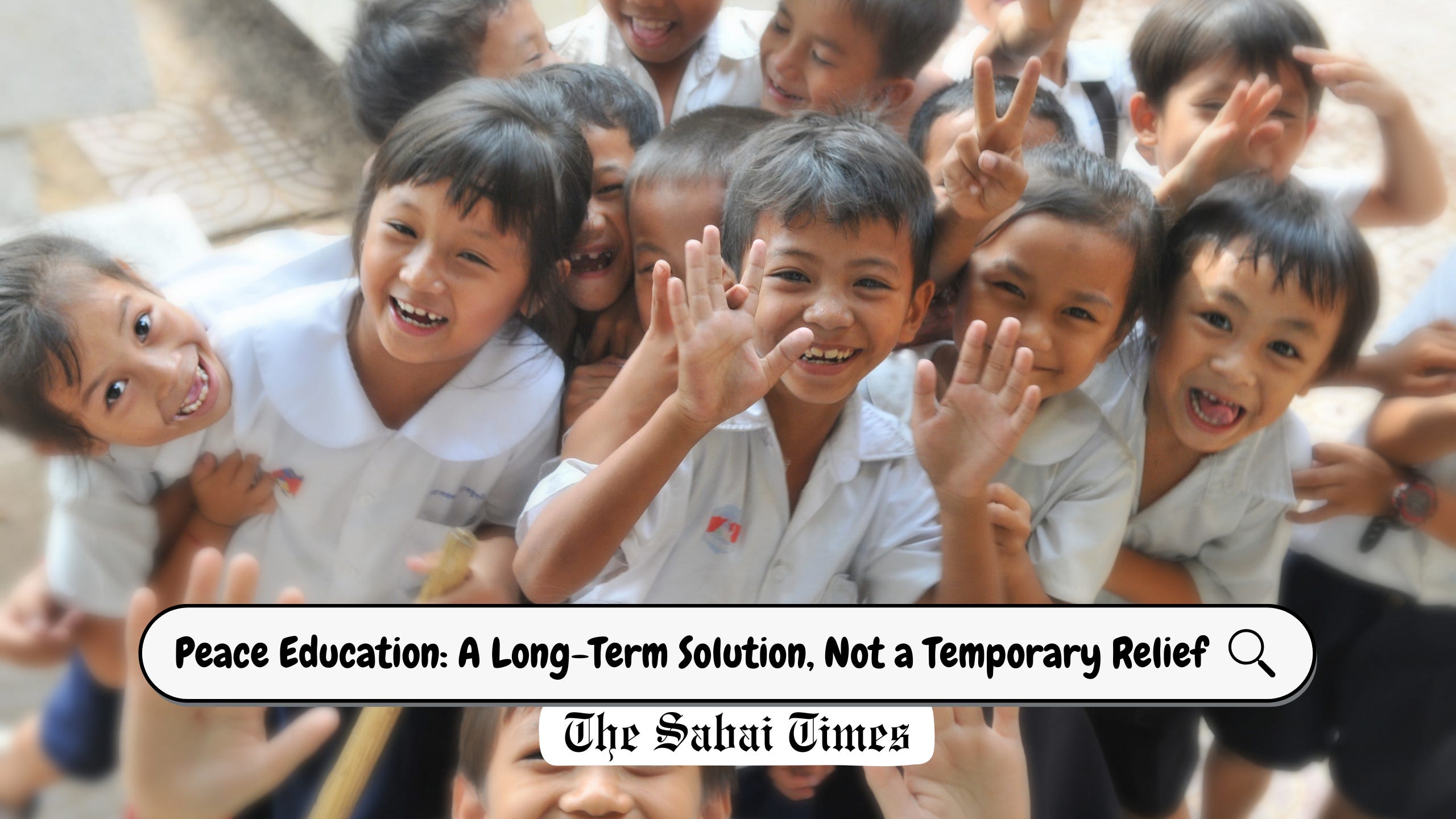
Peace education offers a powerful, long-term solution for fostering empathy, resilience, and nonviolence among children, especially in conflict-affected regions like Myanmar.
Key Takeaways:
Peace education creates a safe, inclusive environment for children to learn academics, empathy, tolerance, and nonviolent communication.
Implementing peace-based curricula and teacher training is essential, especially in regions affected by conflict or displacement.
Peace education is not an emergency tool but a transformative process for long-term healing and rebuilding of society.
What Is Peace Education?
Peace education goes beyond teaching children to avoid violence. It cultivates a mindset of respect, empathy, community awareness, and constructive conflict resolution. It prepares students to live as thoughtful citizens in diverse, often divided, societies.
In conflict-affected countries like Myanmar, where children are frequently exposed to displacement, discrimination, and violence, peace education is not a luxury—it is a necessity. Peace education empowers young people to become part of the solution in healing fractured communities through nonviolent communication, emotional awareness, and inclusive teaching strategies.
According to Researcher Carolyn B. Pryor, as peace education has evolved, many American educators have revisited their goals, particularly in states like Florida, Georgia, and Michigan, where new immigrant children, often uprooted by violence, are identified as ESOL (English for Speakers of Other Languages) students. In Michigan, for instance, ESOL high school students successfully petitioned to integrate a peace education course into their curriculum. And those programs were successful.
Peace-Based Learning in Myanmar: The Kalyana Metta Model
Established in 2008, the Kalyana Metta Development Foundation is a local nonprofit based in Myanmar, firmly committed to promoting peace, justice, and environmental awareness. Through its partnerships with Sagaing University of Education and Yangon University of Education, it integrates peace-based learning modules into teacher education and public school curricula.
In 2018, the foundation ran a three-week intensive peace education training in Pyin Oo Lwin, targeting teacher trainees from education universities. Later, they arranged weekend courses and intensive programs in other regions. The results were transformative—not only in classroom practices but in the teachers’ personal lives.
"While attending the course, my expectations have been fulfilled. I appreciate the content you’re teaching. There hasn't been a single day I haven’t reflected on myself."
"I was so excited to join the Intensive Course. The content is all about things I hadn’t thought of or considered before. Throughout the course period, I was filled with self-confidence and joy."
"In the past, whenever a problem arose, I would blame others first. But now, I’ve become more thoughtful and reflective. My students used to be very afraid of me. I used to shout a lot… as soon as I saw a mistake, I immediately yelled at them. But now, my students are amazed by the change in their teacher."
"The topics we discussed and shared were truly excellent. Now that we’re becoming teachers, we’ll plant these seeds of peace together with the children."
Four Core Components of Peace Education in Elementary Schools
1. Empathy Development
Children are taught to name, understand, and respect their feelings and those of others.
Classroom activities: Story reflections, emotion cards, and daily “feeling check-ins.”
2. Celebrating Diversity
Students explore and appreciate different cultures, religions, languages, and abilities.
Example: Flower diversity games, cultural dress days, and class discussions on fairness.
3. Community Awareness
Peace education also fosters social responsibility and environmental stewardship.
Projects: Recycled art from plastic waste, “dream town” drawings, and community service mini-projects.
4. Conflict Resolution Skills
Children learn how to respond to problems using peaceful strategies.
Three-step method:
Cool down
Talk about it
Solve together
These are reinforced through songs, puppetry, and collaborative role play.
Why Peace Education Matters Now More Than Ever
In Myanmar, children face severe challenges due to ongoing conflict, leading to learning loss and trauma from violence and airstrikes. While access to education is crucial, it is equally important that education addresses the emotional needs of these children. Peace education is vital in helping them heal, build resilience, and break the cycle of violence.
Peace education is a long-term investment in the fabric of society. It nurtures the future generation with the essential values of humanism, diversity, and rights. Instilling those values through stories, videos, and real-life examples can help them understand more and, in the long run, can build a peaceful society that all people crave.
Call to Action
Peace education should be embedded into national education policy, teacher training programs, and community initiatives. NGOs, education ministries, and international partners must collaborate to ensure their reach, especially in rural, marginalized, and conflict-affected areas.
As Myanmar continues to face internal conflict and displacement, let us not forget the quiet work of building peace in the hearts of children. Every school can become a safe space. Every teacher can be a peacebuilder.
May Thazin Kyaw is a Bachelor of Elementary Teacher Education student at President University in Indonesia. She has volunteered with various educational academies and movements in Myanmar.
“Advocating Sustainability, Shaping Our Future”
The opinions expressed in this article do not represent the official stance of SRIc - Shwetaungthagathu Reform Initiative Centre. The Sabai Times is committed to publishing a range of perspectives that may not align with editorial policy.
Help Sustain The Sabai Times - Myanmar’s Voice for Sustainable Development Support The Sabai Times
very informative