


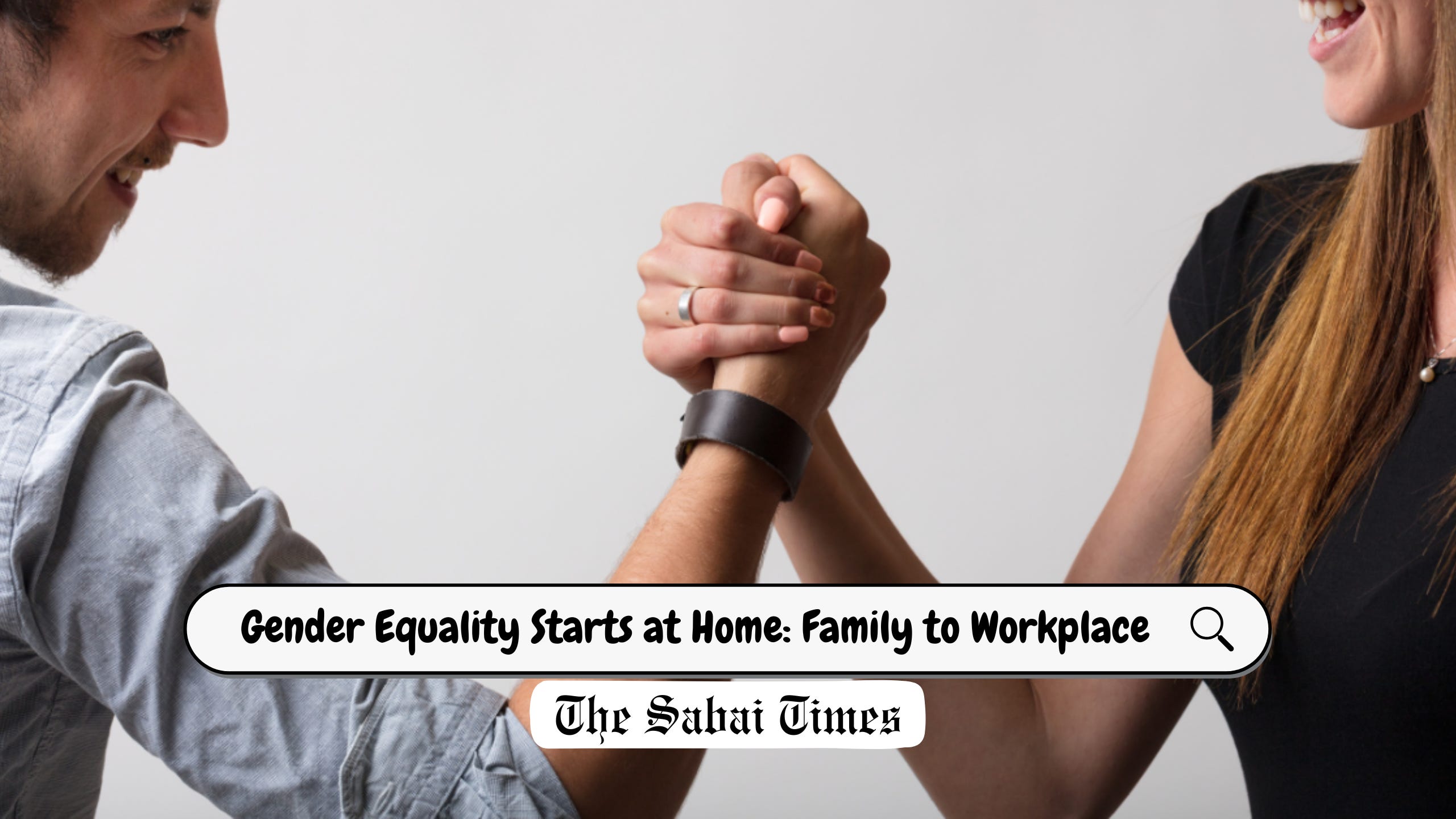
According to traditional gender roles in Myanmar, daughters, especially unmarried and the youngest ones, are often expected to take responsibility for caring for their parents in old age. This unequal distribution of responsibilities reflects an issue of gender inequality in our society, where the burden simply falls on women because of their gender.
In fact, gender inequality not only exists in Myanmar but also globally in different forms, such as the pay gap, limitations in career development, and hiring bias in the workplace. So, where shall we start to address this issue? The answer lies at home. The family is the most fundamental unit of society, where each individual first learns about gender norms. It is necessary to pass on a balanced perspective of gender roles and responsibilities to future generations.
The most important step to changing gender dynamics is practicing shared responsibilities in the household. Tasks like cooking, making beds, and raising children should be assigned based on fairness, not gender. Children who see shared responsibilities are more likely to grow up with a mindset of gender fairness and mutual respect in their adult lives.
Another step is to change attitudes within the family. Typically, social norms shape personal attitudes and beliefs. However, changing attitudes within families is not always easy; it can face cultural barriers, particularly more in traditional societies like Myanmar. Engaging community leaders and role models in conversations may help overcome these obstacles and increase family acceptance.
This change in attitude within families can profoundly impact the workplace. Future leaders who have been raised equally in the family from an early age are more likely to advocate gender equality in their professional lives. Just as household responsibilities should be divided fairly, these leaders will likely allocate tasks based on merits and capabilities rather than outdated gender stereotypes.
In this way, they help to break the cycle of gender biases in the workplace. Globally, women account for nearly half of the world's population, a significant global workforce. Research indicates that diverse and inclusive workforces are vital in creating a successful and sustainable world. Recognizing women's contributions in the workplace allows us to build a more inclusive and productive working environment, leading to global economic growth.
However, promoting gender equality in family units alone cannot solve the issue of gender inequality in society. Law enforcement and legal frameworks like equal parental leave, wage transparency, and the education system all play an integrated part in fostering gender equality.
Only by addressing gender inequality at its roots—both in the family and through a comprehensive approach—can we achieve a world with equal opportunities for both men and women.
Windia Soe is a humanitarian health practitioner with over seven years of experience in health and social behavior change projects, working with various international and local NGOs.
“Advocating Sustainability, Shaping Our Future”
The opinions expressed in these articles do not represent the official stance of SRIc - Shwetaungthagathu Reform Initiative Centre. The Sabai Times is committed to publishing a range of perspectives that may not align with editorial policy.
Help Sustain The Sabai Times - Myanmar’s Voice for Sustainable Development Support The Sabai Times
